The Awesome Equation: Employees > Team > Customers
I’ve been lucky enough to work for and learn from some really great companies over the years. But out of all of them, iThemes stands out as my favorite.
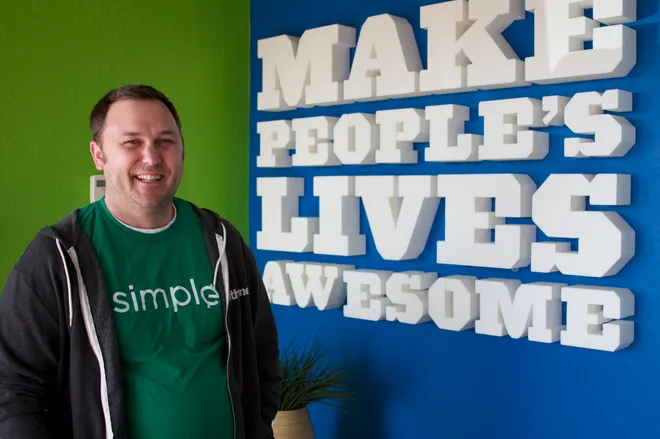
Cory Miller, our founder, is a big fan of mottos. My favorite one from my time at iThemes—and one I’ve tried to carry with me ever since—is this: “Make People’s Lives Awesome.”
This idea breaks down into three parts. We want to make life awesome for:
- Employee & Family (The Foundation)
- The Team (The Culture)
- The Customer (The Result)
This order is the foundation of our approach—employees first, then team, then customers.
A company’s customer experience can only be as strong as its employee experience.
Too many companies get this backwards, especially these days. That just leads to burnout, high turnover, and, in the end, lousy customer service.
Priority #1: Making Employees’ Lives Awesome (The Foundation)
Making sure your employees and their families come first isn’t just a nice perk. It’s a smart move if you want a stable, present team.
Financial Security
You have to pay people what they’re worth. If someone is constantly worried about how they’ll put food on the table or pay for their family’s healthcare, they’re not going to be focused at work. A stressed-out employee isn’t going to do their best, and you’ll see it in their work.
But when someone knows their home life is secure and that they’re seen as a real person—not just a resource—they’ll show up ready to give it their all.
Protecting Time Off (The Shield)
Encourage your team to actually use their PTO. And when they do, make sure they’re really off. That means you don’t bug them with questions, and you make sure no one else does either. Maybe you let everyone know that while Sarah’s out, any questions go to you. Or maybe Chris steps in to handle things until Sarah’s back.
However you handle it, just make sure your people can really unplug and enjoy their time off.
Modeling Healthy Boundaries (The Example)
Everything I just said about taking PTO and actually disconnecting? That goes for you, too.
Don’t expect your team to be on call outside work hours. Sure, some jobs are different, but for most, if you send an email at 11 pm, make it clear they don’t have to reply right away. (And honestly, why are you emailing at 11 pm anyway?) Remember, you set the tone.
Proactive Check-Ins (Beyond Performance)
I’ve mentioned this before, so I won’t go on and on, but your 1:1s shouldn’t just be a checklist of tasks.
The first part of your meeting should focus on them and their life outside of work. Maybe they just had a new baby or got a new pet. Maybe they’ve been doing construction on their home. Whatever it is, you need to spend time talking to them as an actual, living, breathing human being, not just another company resource.
And actually mean it. Don’t just ask to check a box. Care about your people.
This is also your chance to talk about where they want to go in their career. Show them you care about their growth. Show it in your check-ins.
Empowering Customer Judgement (The Safety Net)
As much as possible, you want to give your team leeway to trust their judgment. For example, let’s say you have a 30-day no-questions-asked refund policy. Now Matt is working with a long-time customer who has spent thousands with you over the years, and they’re requesting a refund 43 days after their purchase. Should Matt really have to come to you for permission on an exception on this?
And be willing to take the risk that comes with letting your team take initiative. Make sure they know you’ll have their back if something goes wrong.
Investing in Skills for Future Roles (Career Stewardship)
Managers should help their people pick up new skills—even if it means they might move on someday. Use your 1:1s to talk about what they want next and how you can help them get there.
This aligns with making the employee’s life awesome by investing in their long-term security.
Think of making employees’ lives awesome as an investment in trust. When you show people you care about them as individuals, you earn their loyalty.
Priority #2: Making the Team’s Life Awesome (The Culture)
Whether your team is in the office or working remotely, the environment should be supportive, appreciative, and celebratory.
Appreciation & Celebration
Don’t save all your praise for the annual review. Celebrate your team’s wins often, and do it where everyone can see.
Mention wins in your 1:1s, but also announce them in Slack (or Teams, or whatever you use) so everyone sees your team’s awesomeness.
Or maybe start a newsletter to highlight both individual and team wins. I like the idea of a weekly team newsletter, plus a monthly one for the whole company. Remember, you shouldn’t be the only one cheering your team on.
Safety & Trust
It’s not always easy to raise problems or complaints with your boss. You want your team to feel safe sharing feedback and ideas. And they should never have to worry about getting in trouble for making mistakes or pointing out issues.
Trust your people, and let them know you do. If you’re always micromanaging and second-guessing them, they’ll start to doubt themselves. And that will show up in how they interact with customers.
Empowerment
I know I’ve said this before, but it’s worth repeating: give your team some freedom to solve problems on their own. It leads to happier customers and faster answers, since they’re not waiting around for you.
With the team empowered, it’s important to consider major changes shaping today’s workplaces—especially AI disruption: Is It Really Benefiting Employees?
As AI shows up more and more at work, make sure it’s there to help your people—not to replace them or keep tabs on them.
The Two Paths
Path A: The Good (Making Lives Awesome) – Let AI handle the boring stuff, like first drafts or simple tasks, so your team can focus on the more interesting, human side of things. Think of AI as a co-pilot.
Path B: The Bad (Flipping the Script) – Don’t use AI as a threat. No one wants to feel like they’re about to be replaced or constantly watched.
Companies need to use AI to help with Priorities #1 and #2—using tech to support the people who support your customers.
Priority #3: Making Customers’ Lives Awesome (The Result)
An awesome customer experience comes from having a team that feels safe and celebrated.
When employees are happy, they are:
- Patient: They have the emotional capacity to handle demanding customers.
- Creative: They feel empowered to find unique solutions to different issues and aren’t just reading the script.
- Consistent: Low turnover guarantees the customer always deals with knowledgeable, long-term agents.
The “Awesome Equation” is the key to sustained satisfaction for both employees and customers.
Reversing the Funnel
If you’re a team or company leader, are you really putting employee security and well-being first? If not, maybe it’s time to flip the script.
Lasting company success starts with focusing on employees—the real foundation of your culture and results.