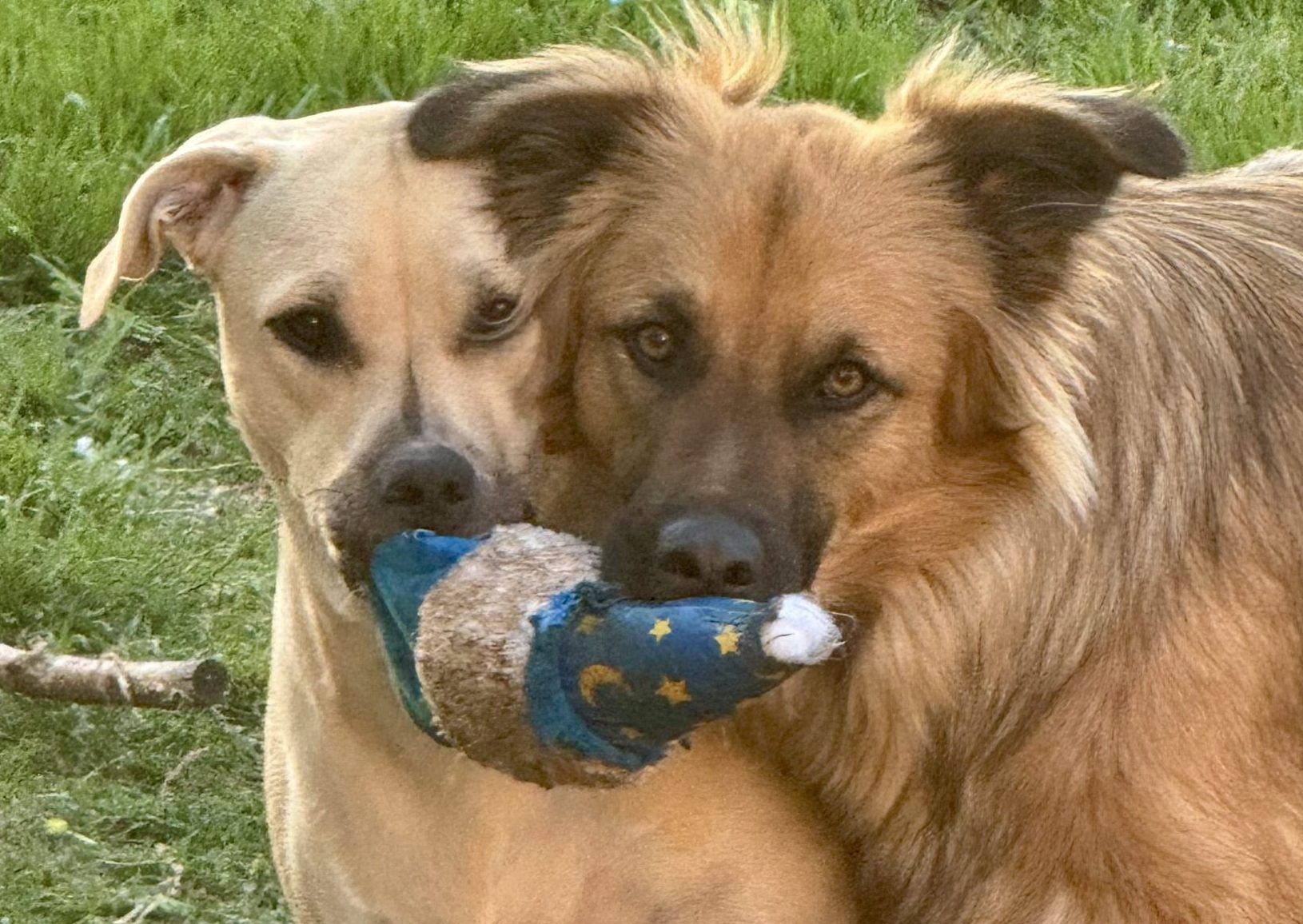
Things I’ve Learned About Leadership From Dogs 🐾
Why Dogs Are Better Teachers Than Most Leadership Books
I know, I know—this sounds a little ridiculous. But as someone who’s literally outnumbered by dogs in my own home, I can’t help but notice how much they’ve taught me.
Honestly, it makes more sense than you’d think. I’ve learned more about leadership from my dogs than from some of the jobs I’ve had over the years.
Turns out, leadership isn’t really about being in control. It’s about trust, being clear, and showing up the same way every single time.
(Please note, this is just a fun, observational post, not a manifesto.)
Clear Signals Matter More Than Volume
If you’ve ever worked with a dog trainer, you know they’ll tell you: being clear and consistent matters way more than raising your voice.
Sure, your dog needs to hear you, but getting loud usually just backfires — yelling certainly didn’t help when Sid woke me up at 4 am the other morning, “needing” to patrol the yard.
If you’re always changing your mind—one day asking them to sit before going outside, the next day not—or getting loud, you just end up with anxious dogs. And, honestly, anxious people, too.
Being calm and predictable? That’s what actually builds trust. Whether you’re leading a team or just trying to convince your dog to stop eating your shoes.
You Don’t Have to Be “In Charge” to Be Respected
Dogs don’t follow the loudest or the scariest. They follow the one who makes them feel safe and lets them know what to expect.
People (and dogs) respect confidence and follow-through, not just a fancy title on a business card.
Teams can spot insecurity a mile away. Dogs can too.
You earn respect by being reliable. It really is that simple.
For a long time, people said dogs needed an ‘alpha’—someone dominant, forceful, always in charge.
Turns out, that’s not true at all. Dogs don’t follow the loudest or the scariest. They follow the one who makes them feel safe and lets them know what to expect.
So all that talk about ‘alpha leaders’ feels pretty outdated now. I think the dogs figured that out before we did.
Praise Works Better Than Punishment
Dogs will do just about anything again with the right reward. For mine, just spending time playing or cuddling, or asking, ‘Who’s a good puppy?’ in my best high, squeaky voice, is all it takes.
If you ignore them, it feels like rejection. Same goes for people.
Correct them too much, and you’ll shut down their curiosity. Same goes for people.
Recognition doesn’t have to be grand. It just needs to be timely and sincere.
Energy Is Contagious
Dogs can sense stress faster than you can say “treat.”
If you’re tense, they’re tense. It’s like looking in a furry little mirror.
But if you’re calm, they pick up on that too. It works both ways.
Leaders set the emotional tone, whether they mean to or not.
Everyone Needs Routine and Play
Dogs love a good routine. Meals, walks, knowing what’s coming next. Mine have it down to a science, and get annoyed when I deviate at all. You try telling them they’re getting breakfast at 8:15 instead of 8!
But they also need a little fun and freedom.
If you’ve ever worked with a dog trainer, you know they’ll tell you: for every minute of training, you need to spend the same amount of time rewarding them. Whatever their favorite thing is, you end the session with that.
Obviously, you aren’t going to follow that rule exactly with your team. Eight hours of work and eight hours of play? That’s a long day.
But you do need to make time for the fun stuff. Maybe that means spending the first few minutes of your check-in just talking about life. Or maybe you play a quick game when there’s a free moment.
However you do it, teams burn out without those moments of lightness.
Fun isn’t a distraction. It’s actually fuel.
Meet People Where They Are
Dogs all have different personalities, fears, and quirks. People are the same way.
You have to meet people (and dogs) where they are. For example, the way I train Siouxsie is completely different from how I train Sid.
One-size-fits-all training just doesn’t work, whether you’re dealing with humans or animals.
Leadership isn’t about treating everyone the same — it’s about responding to who they actually are.
It’s about fairness by understanding where people are coming from.
Trust Is Built in the Small Moments
Dogs aren’t going to remember if you randomly toss them a t-bone steak. I mean, they’ll care in the moment, but that’s not what sticks.
What really matters to them is what you do every day. The daily walk, the nightly cuddles—those are what have the real impact.
Consistency always beats intensity. Every single time.
Teams remember who was steady, not who was flashy. Dogs do too.
Sure, if their boss gives them a $500 bonus, they’ll love it. But if you go back to micromanaging and being inconsistent the next day, that excitement fades fast.
Lead Them Home
My Iggy Pup is about 11 now, so she only runs if a squirrel dares to enter her yard. But when she was a puppy, she was definitely a runner. If she ever got out of the yard or off her leash—yikes.
I learned something, though. If I ran after her, it became a game, and she kept running. But if I ran away, leading her home and praising her in my puppy voice, she followed.
If you feel like you have to run after your team to get things done, try showing them the way instead. Give praise and encouragement. It works better than chasing.
The Kind of Leader You Want to Be
Dogs don’t follow perfection.
They follow trust.
Leadership isn’t about being an alpha. It’s about being dependable, clear, and encouraging.
If dogs can teach us anything about leadership, it’s that people don’t need us to be impressive. They just need us to be consistent and trustworthy. That’s what really matters.